


Tag: facial collapse posts
Why Does My Face Look Different After All-on-4 Dental Implants?
Since having All-on-4 dental implant surgery at a large implant chain, I’ve noticed changes in my face. My cheeks are more sunken, my skin seems to sag, and my upper lip turns downward. The area below my eyes looks hollow, the distance between my nose and upper lip seems longer, and one nostril has partially collapsed. The changes were not gradual. I noticed them after the surgery. The doctors haven’t explained what may have happened. Could the implant surgery have caused these changes, and if so, how? – Thanks. Himari from NY
Himari,
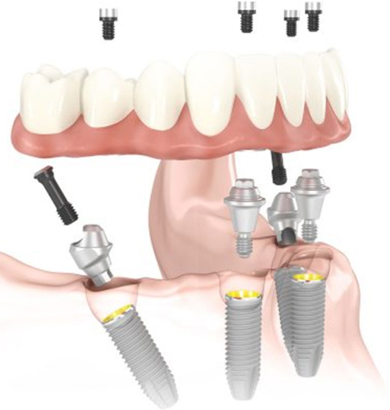
While we can’t reach conclusions without an examination, the concerns you described with your All-on-4 implant-supported denture deserve careful attention.
Dental treatment affects far more than teeth alone. Restoring missing teeth also restores support for the lips, cheeks, and lower face. When that support is recreated properly, many patients notice a healthier, fuller, and even more youthful appearance.
Are You Experiencing Facial Collapse?
Implant-supported dentures are generally intended to prevent or correct the facial collapse that often develops after teeth have been missing for many years. They normally restore facial height and provide support that helps fill out the cheeks.
If the denture does not provide enough width or vertical support, facial tissues may appear less supported than expected. That can change facial contours even when the implants themselves are successful.
Could Surgery Have Changed the Nose or Upper Lip?
Preparing the jaw for implant-supported dentures often requires reshaping portions of the bone. In the upper jaw, that bone lies directly beneath the nose.
Although every patient’s anatomy is different, extensive bone reduction in this area could influence the appearance of your upper lip or nose.
How Should You Proceed?
Patients who notice major changes in their appearance should not feel they have to accept the result. An open discussion with the treating practice can help determine whether improvements are possible.
The conversation should include questions such as:
- Can the dentures be redesigned for better cheek support?
- Is the vertical height of the bite appropriate?
- Would a wider smile improve facial fullness?
- Are additional treatment options available to improve facial appearance?
While restoring bone after surgical reduction may not always be straightforward, modifying or remaking the prosthesis may improve your facial support. If you still have questions after a meeting with the treating dentist, get a second opinion from a dentist experienced in implant-supported dentures.
Dr. Thaddeus Michalski, a Rocky Hill, Connecticut dentist, sponsors this post. Read why many of his patients say he is one of the best dentists in town.
How Long After Teeth Extractions Does Facial Collapse Occur?
Diabetes complications have led to two amputated toes on my left foot and needing my last ten upper teeth extracted. I understand facial collapse will follow the extractions, so I have been talking to my dentist about dentures. I requested a high-end denture with teeth that look real, but for some reason, my dentist doesn’t seem confident about doing it. I am also concerned about how facial collapse will affect my denture in the long term. Is facial collapse rapid? Thank you. Spencer from Fort Worth
Spencer,
An examination and 3D imaging are required to explain your options and develop a treatment plan. Still, we will discuss why facial collapse occurs and how to prevent it.
How Long After Teeth Extractions Does Facial Collapse Occur?
When all teeth are missing, facial collapse gradually occurs over ten to twenty years. According to the American Academy of Implant Dentistry, the jawbone resorbs 25 percent in the first three months after tooth extractions and up to 50 percent in the first six months.
How Will Dentures Affect Your Facial Appearance?
When dentures rest on your gums, they accelerate bone shrinkage. As your bone shrinks, you will need periodic denture relines and replacements. As your jawbone narrows, a removable denture will not stay in place.
How Can You Prevent Facial Collapse?

Implant-supported dentures can prevent facial collapse. Dental implants are the most effective solution for preserving the jawbone and keeping facial muscles intact.
Implants have these benefits:
- A dentist places them in your jawbone to stimulate the bone like natural tooth roots.
- They help prevent bone shrinkage.
- They decrease the risk of premature facial sagging.
- Denture stability and function will increase.
When an implant dentist removes your remaining teeth and immediately places implants, it can prevent the need for bone grafting procedures. The implants will stimulate your bone, and you can get replacement teeth the same day.
Can You Fix Facial Collapse?
Yes, there is hope for correcting facial collapse. Grafting procedures can build up the jawbone, and after a healing period, an implant dentist can place dental implants to keep the jawbone intact. The bone grafts and a new custom denture will lift your facial muscles and help reshape your face.
We recommend getting a second opinion from an advanced implant dentist to discuss your options.
Dr. Thaddeus Michalski, a Rocky Hill, Connecticut dentist and Diplomate of the International Congress of Oral Implantologists, sponsors this post.